
Making the transition from dentures to dental implants is a big step, but for many patients, it’s a life-changing one. While dentures can restore basic function and appearance, they may come with challenges like slipping, discomfort, and limits on what you can eat. Dental implants offer a more stable, natural-feeling alternative that can improve both comfort and confidence.
Knowing what to expect throughout the process can help you feel prepared and confident as you move toward a more secure smile.
Why Patients Choose Implants Over Dentures
Dentures rest on top of the gums and rely on suction or adhesives to stay in place. Over time, this can lead to irritation, sore spots, and changes in fit as the jawbone naturally shrinks. Dental implants, on the other hand, are anchored directly into the jawbone, providing a stable foundation for replacement teeth.
Patients often choose implants because they offer improved chewing ability, clearer speech, and a more natural feel. Implants also help support jawbone health, which can reduce the sunken facial appearance that sometimes develops with long-term denture use.
The Initial Consultation and Planning Phase
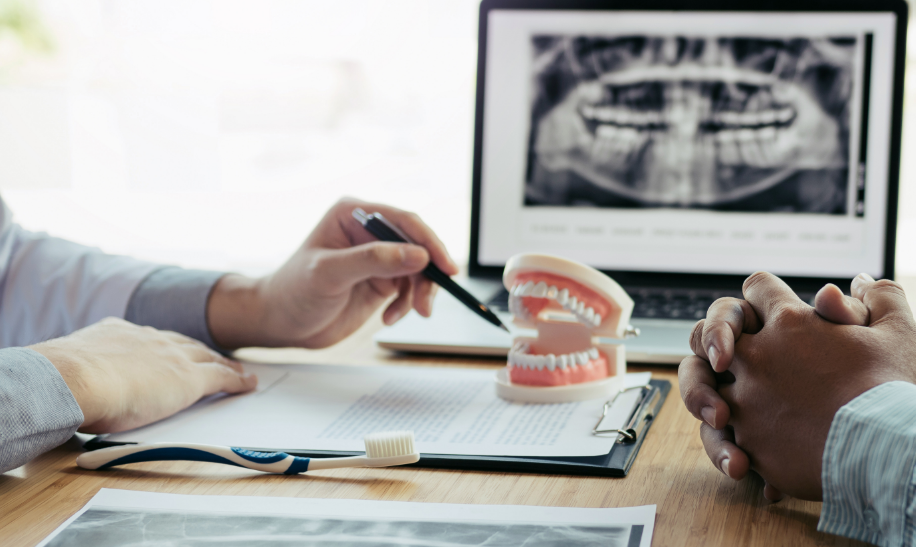
The transition from dentures to implants begins with a thorough dental evaluation. Your dentist will assess your oral health, review your medical history, and take imaging to evaluate bone density and determine implant placement.
During this stage, your dentist will discuss whether you are a candidate for implants and what type of implant-supported solution may work best for your needs. If you currently wear dentures, they may still be used temporarily while the implant process is underway.
Implant Placement and Healing
Once a treatment plan is created, the next step is implant placement. Dental implants are placed into the jawbone, where they will gradually fuse with the bone through a process called osseointegration. This healing phase is essential for long-term stability and typically takes several months.
During healing, patients may continue wearing dentures or a temporary restoration, depending on their situation. Your dentist will provide guidance on caring for your mouth and managing discomfort as the implants heal.
Adjusting to Your New Implant-Supported Smile
After healing is complete, the final restorations are attached to the implants. This is when many patients notice the biggest difference. Implant-supported teeth are designed to feel secure and function much like natural teeth, eliminating concerns about slipping or clicking.
There may be a short adjustment period as you get used to chewing and speaking with your new restorations. Most patients find that this transition is smooth and that everyday activities become easier and more comfortable over time.
Tips for a Smooth Transition
A successful transition from dentures to implants depends on good communication and proper care. Helpful tips include:
- Following all post-procedure instructions
- Maintaining excellent oral hygiene
- Attending follow-up appointments
- Being patient during the healing process
Your dental team will guide you every step of the way to ensure the best possible outcome.
With the right planning and support, transitioning from dentures to dental implants can be a rewarding investment in your long-term comfort and oral health.
About the Practice
At Brush Country Dental, Dr. Shelli Pruski provides comprehensive dental implant care for patients looking to move beyond traditional dentures. Our experienced dental team offers personalized evaluations and implant treatment plans designed to restore comfort, function, and confidence. By focusing on long-term solutions and patient education, we help patients achieve secure, natural-looking smiles.
Call us at (830) 569-2500 or request an appointment online.