
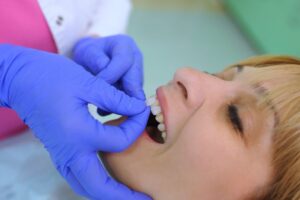
Dental veneers are a popular cosmetic treatment used to improve the appearance of stained, chipped, worn, or uneven teeth. Made from durable porcelain or composite materials, veneers can transform a smile and provide long-lasting aesthetic results. However, some patients mistakenly assume that veneers make their teeth immune to cavities.
The truth is that while veneers themselves cannot decay, the natural teeth beneath them are still vulnerable to cavities. Maintaining good oral hygiene remains essential even after receiving veneers.
Veneers Don’t Get Cavities – Your Teeth Can
Porcelain and composite veneers are made from materials that cannot develop tooth decay. However, veneers only cover the front surface of the tooth. The underlying natural tooth structure and areas not covered by the veneer remain susceptible to bacterial damage.
If plaque and bacteria accumulate along the edges of the veneer or in other areas of the mouth, cavities can still develop in the natural tooth underneath or around the restoration.
This is why veneers should be viewed as a cosmetic enhancement, not a substitute for proper dental care.
How Cavities Can Form Around Veneers
The margin where the veneer meets the natural tooth is an area that requires special attention. If plaque is not removed regularly through brushing and flossing, bacteria can collect along this border and begin attacking the enamel.
Several factors may increase the risk of decay around veneers, including:
- Poor oral hygiene.
- Frequent consumption of sugary foods and drinks.
- Dry mouth.
- Skipping routine dental visits.
- Existing cavity risk factors.
When cavities develop near a veneer, treatment may be more complex and could require replacing the restoration.
Signs of a Cavity Around a Veneer
Because veneers cover part of the tooth, it may not always be obvious when decay is present. However, some warning signs can include:
- Tooth sensitivity.
- Discomfort when eating sweets.
- Pain when biting down.
- Dark areas near the veneer margins.
- Roughness around the restoration.
Regular dental examinations are often the best way to detect problems before they become severe.
How to Protect Your Veneers and Teeth
The same habits that protect natural teeth also help protect teeth with veneers.
To maintain a healthy smile:
- Brush twice daily with fluoride toothpaste.
- Floss every day.
- Limit sugary snacks and beverages.
- Visit your dentist regularly for exams and cleanings.
- Address dental concerns promptly.
Good oral hygiene helps preserve both your veneers and the natural teeth supporting them.
Veneers can dramatically improve the appearance of your smile, but they do not eliminate the risk of cavities. While the veneers themselves cannot decay, the natural tooth structure beneath and around them remains vulnerable to bacterial damage. By maintaining excellent oral hygiene and attending regular dental checkups, you can protect your investment, preserve your oral health, and enjoy the benefits of your veneers for many years to come.
About the Author
Dr. Shelli Pruski has more than 20 years of practicing dentistry. She graduated with honors from the University of Texas Health Science Center Dental School at San Antonio. She stays up to date with the latest advancements in her field by maintaining active charter membership status in the STARS Study Club. Dr. Pruski is also a member of the Academy of General Dentistry and takes continuing education courses through the renowned Spear Institute. If you’re interested in veneers or other cosmetic dentistry, book online or call our Pleasanton office at (830) 569-2500.